
VENUES
Choosing a wedding venue is about more than how a space looks on the day you tour it – it’s about how that space looks and feels at the exact hour your celebration takes place.
Light is one of the most influential elements of any wedding. It shapes the mood of your ceremony, the warmth of every photograph and the atmosphere your guests step into as the evening unfolds.
The same terrace can feel bright and energetic at midday, golden and romantic before sunset and completely transformed once candles and lanterns take over.
For destination weddings, where you may only see your venue once or twice before the day, understanding its light is one of the most valuable things you can do.
Here’s how to read a venue’s light by season, setting and time of day – so your wedding looks and feels the way you’ve imagined, from the first guest arrival to the last dance.
Start With the Feeling You Want to Create
Before you think about angles or timings, consider the atmosphere you want your day to have. Are you picturing a sun-drenched ceremony by the sea, a soft and romantic dinner beneath the trees or a dramatic evening reception glowing with candlelight?
Light is what turns that vision into something your guests can feel. Bright, open light reads as joyful and energetic. Softer light feels romantic and relaxed. Warmer, darker settings feel elegant, moody and celebratory.
Write down two or three words that describe how you want each part of the day to feel. Those words will guide you – and your planner and photographer – toward decisions about timing and setting that support your vision instead of working against it.
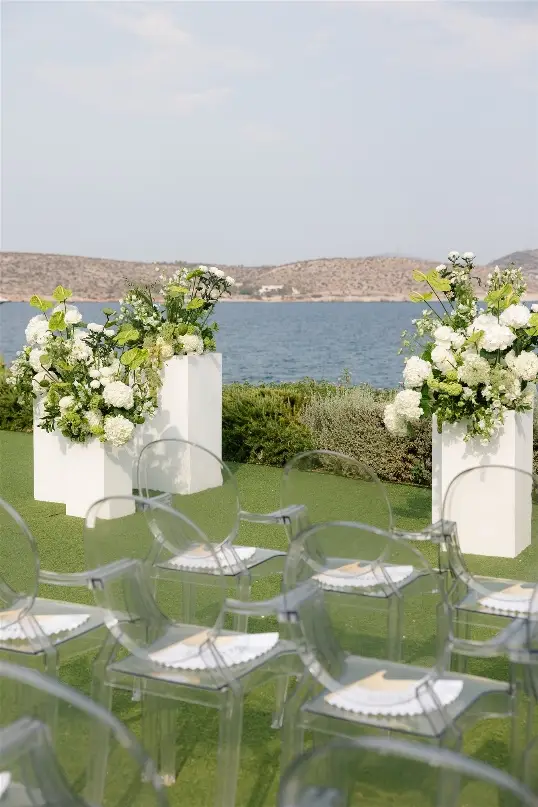
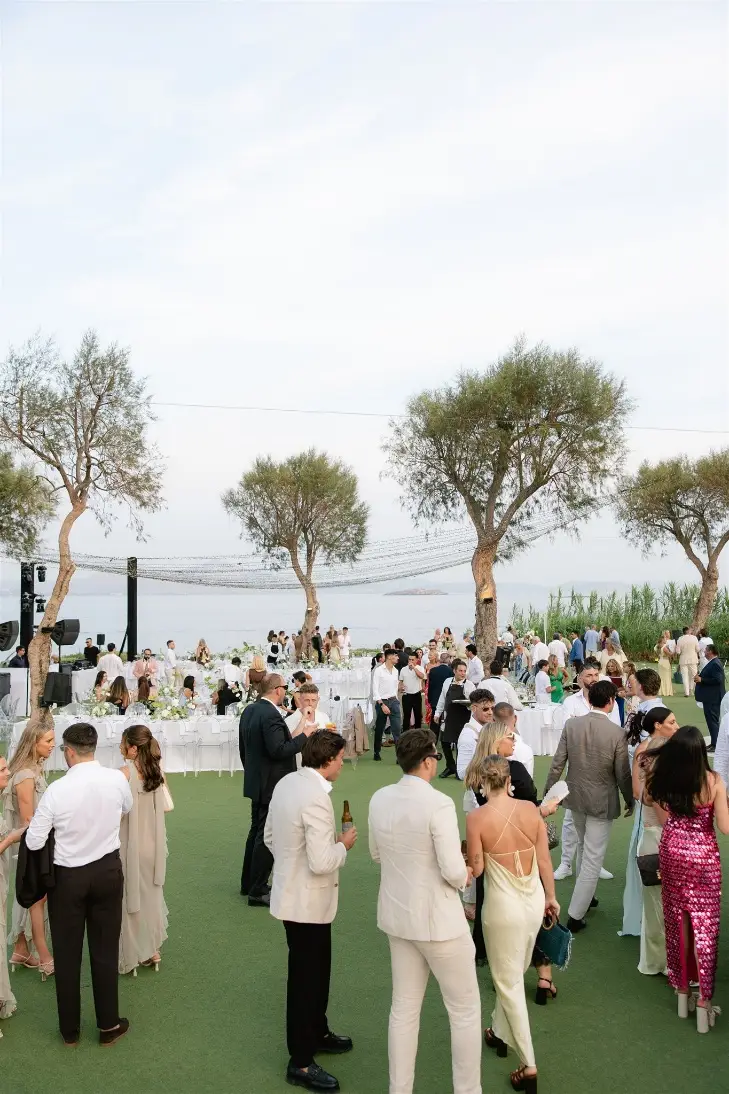
Understand How the Season Changes Everything
A venue you tour in one season may look entirely different in another. The angle of the sun, the length of the day and the time of sunset all shift throughout the year, and each change affects how your wedding will look and feel.
In summer, long evenings often give you more daylight through cocktail hour and dinner. In spring and fall, the light tends to fade earlier, which can bring golden hour closer to your ceremony and move your reception into candlelight sooner.
Before you commit to a timeline, ask your venue what time the sun sets on your wedding date. Then build your day around it, not the other way around. A beautiful setting at the wrong hour can feel like a different venue altogether.
Visit the Venue at the Hour You’ll Use It
Many couples tour venues in the middle of the day, when schedules are easiest to coordinate. But your ceremony, portraits and dinner may take place hours later, in very different light.
Whenever possible, visit at the time of day your key moments will happen. If you can’t be there in person, ask the venue or your planner for photographs taken at that hour and in that season, or look through real weddings held at the venue.
Notice where the sun sits, which areas fall into shade and how the space changes as afternoon turns to evening. A courtyard that feels airy at noon may be in full shadow by late afternoon – which may be exactly what you want, or something you’ll need to plan around.
Light is the detail your guests feel before they notice anything else.
That’s why it deserves a place in every venue conversation. Florals, tablescapes and lighting design all respond to the natural light around them, so a palette that glows in late-afternoon sun can look very different under a bright midday sky.
Think about how your design choices will sit within the light of each space. Soft neutrals and pastels tend to come alive in gentle, warm light, while richer tones hold their own as the evening darkens.
When your design and your venue’s light work together, every detail feels intentional – and your photographs reflect the atmosphere exactly as you remember it.
Choose the Right Ceremony Setting for the Light
Your ceremony is often the most photographed part of the day, so where you stand – and where the sun is – matters more than many couples expect.
When considering ceremony locations, ask where the sun will be at the moment you exchange vows. Will it be behind you, in front of you or directly overhead? Will your guests be facing into it? Is there natural shade for everyone on a warm afternoon?
Strong midday sun can create harsh shadows and leave guests squinting, while open shade or softer late-afternoon light is far more flattering for everyone. Moving your ceremony by even an hour, or turning the setup to face a different direction, can make a meaningful difference.
Your planner and photographer can help you find the best orientation for the space, so you can focus on the moment itself.
Plan Your Timeline Around Golden Hour
Golden hour – the stretch of time shortly before sunset when the light turns soft and warm – is a favorite for portraits, and for good reason. It flatters skin tones, adds depth to the landscape and gives your images a natural glow.
Many couples build their timeline so portraits fall within this window, stepping away from cocktail hour or dinner for a short session together. If your ceremony is earlier in the day, a portrait session closer to sunset can give you both: a bright, joyful ceremony and the romantic light you’ve imagined.
Talk with your photographer about how much time they’d like and where on the property they’d like to take you. Then let your planner build it into the flow of the evening, so your guests are looked after while you’re away.

Consider Indoor Spaces and Natural Light
Not every wedding moment happens outdoors. Getting-ready suites, chapels, ballrooms and dining rooms all have their own light – and it isn’t always what you expect.
Ask about window placement, ceiling height and wall color in each indoor space you plan to use. Large windows and pale walls tend to fill a room with soft, even light, while darker interiors may rely on artificial lighting, which can change the color and mood of your photographs.
Your getting-ready space deserves special attention. It’s where the first images of your day are taken, so a room with beautiful natural light can set the tone for everything that follows.
Plan for the Transition From Day to Night
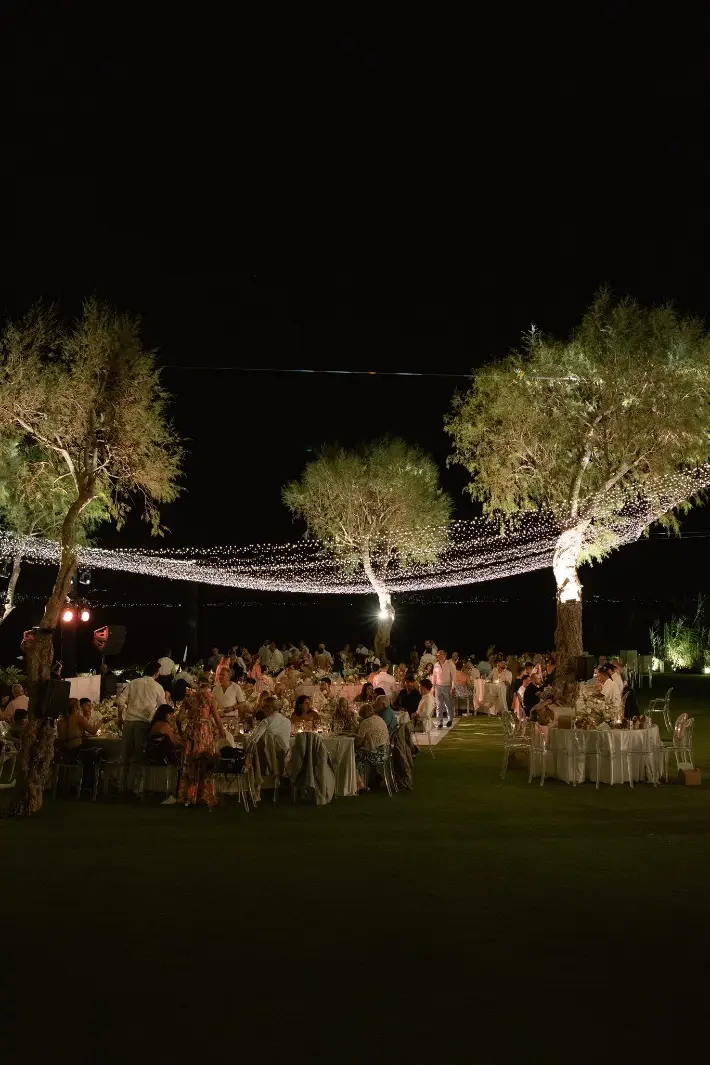
One of the most memorable parts of a wedding is the moment daylight gives way to evening. The sky changes, candles begin to glow and the atmosphere shifts from celebration to something warmer and more romantic.
Plan for that moment. Ask your venue when outdoor areas lose their light and when you’ll need to move inside or switch on additional lighting. Consider how quickly darkness falls in your location and season.
Your lighting design should be in place before it’s needed, not after. Candles, festoon lights and lanterns can be lit as the sun begins to set, so the transition feels seamless and your guests never notice the change.
Don’t Overlook Weather and Backup Spaces
Light depends on the weather as much as the season. An overcast day softens everything, while bright, cloudless skies can make midday light especially intense.
When reviewing your backup plan, look at the light in your indoor or covered alternatives too. Does the wet-weather space feel as beautiful as your first choice? Does it have windows, or will it need additional lighting to feel warm and welcoming?
A strong plan B isn’t just about keeping guests dry. It’s about making sure your day still feels like yours, whatever the sky decides to do.
Bring Your Photographer In Early
Your photographer understands light better than anyone on your team. Involving them early – ideally before your timeline is finalized – can help you make the most of every space at your venue.
Share your venue details, ceremony location and planned timings, and ask for their honest perspective. They may suggest shifting your ceremony time, adjusting your portrait session or choosing a different spot for your first look.
If they haven’t worked at your venue before, ask whether a site visit or a planning call with your venue coordinator is possible. Their insight can help you avoid surprises and capture the day exactly as it felt.
Trust the Way the Space Makes You Feel
Ultimately, the right venue is one where you feel completely at ease – and light plays a large part in that feeling. When you walk into a space that feels warm, open and welcoming, take note of the time of day and the light around you.
Combine that instinct with practical planning: the season, the sunset, the direction of your ceremony and your evening lighting. Together, they give you confidence that your wedding will look as beautiful as it feels.
Light is the thread that runs through your entire wedding day.
It shapes the ceremony, the portraits, the dinner and the dancing – and it’s what your guests will remember when they think back on how the day felt. When you choose a venue and a timeline that work with the light, everything else starts to fall into place.
Imagery by Days Made of Love