
PLANNING

Planning a destination wedding comes with a particular kind of excitement. There is the venue, the travel, the possibility of turning one celebration into several days with the people you love most.
Then comes the question almost every couple eventually asks: what is this actually going to cost?
There is no single figure that defines a destination wedding budget. A three-day celebration at a private villa in Tuscany will look very different financially from a beachfront wedding in Mexico or a weekend at a boutique hotel in Mallorca.
What matters is understanding where the money goes, which decisions have the greatest impact on your overall spend, and how to create a budget that reflects the experience you actually want.
Here is what to consider before you start booking.
Start With the Entire Celebration, Not Just the Wedding Day
One of the biggest differences between a local wedding and a destination wedding is that you are rarely planning only one event.
There might be a welcome dinner, wedding day, pool party, recovery lunch or farewell brunch alongside accommodation, transportation and guest hospitality.
Before assigning numbers to individual vendors, map out the entire celebration.
Consider:
- How many days will guests be together?
- Which events will you host?
- Will every guest attend every event?
- Are you paying for guest transportation?
- Will you provide welcome gifts or amenities?
- Are there any optional experiences guests will pay for themselves?
Knowing the full scope of the celebration makes it much easier to build an accurate wedding budget from the beginning.
Understand What Your Venue Actually Includes
Venue pricing can be surprisingly difficult to compare.
One property might quote a substantial hire fee but include furniture, staff and equipment. Another may appear significantly less expensive until you discover that practically everything must be brought onto the property.
Before comparing venues, understand exactly what each one includes.
Ask about:
- Venue hire
- Catering
- Bar service
- Tables and chairs
- Linens
- Tableware and glassware
- Existing lighting
- Sound equipment
- Staffing
- Security
- Cleaning
- Transportation access
- Additional event spaces
- Setup and pack-down hours
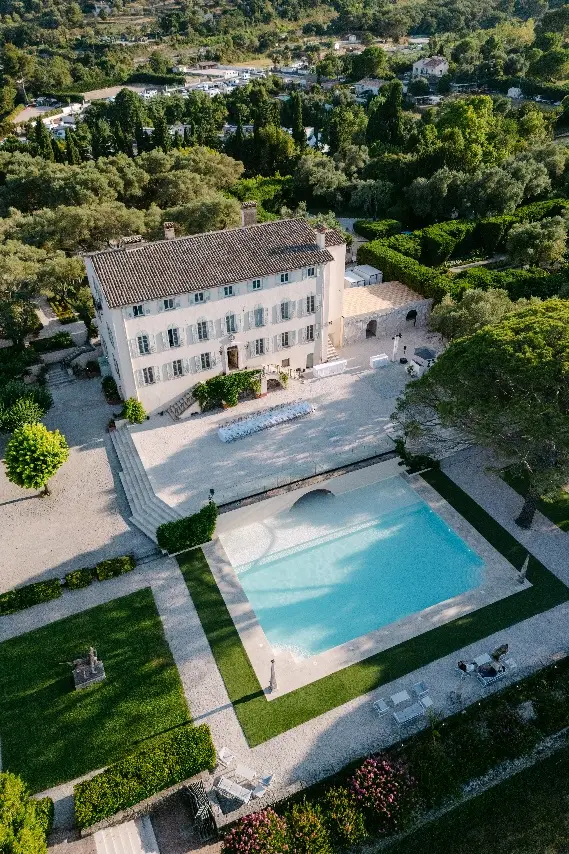
For destination weddings in private villas, historic estates or remote locations, infrastructure can become a significant part of the budget.
Sometimes the most expensive-looking venue on paper can ultimately be the more economical choice.

Location Has a Bigger Impact on Budget Than You Think
Your destination influences almost every other expense.
Florals, catering, accommodation, labour, transportation and production costs can vary dramatically between countries—and even between regions within the same country.
An island wedding can involve ferry logistics and additional freight costs. A remote estate may require generators, kitchens or bathrooms to be installed temporarily. A city hotel may already have much of the necessary infrastructure in place.
This doesn’t mean you should choose your destination based entirely on price.
It simply means the location and the budget should be considered together rather than independently.
Decide What Matters Most to You
A strong wedding budget isn’t necessarily divided evenly.
It reflects your priorities.
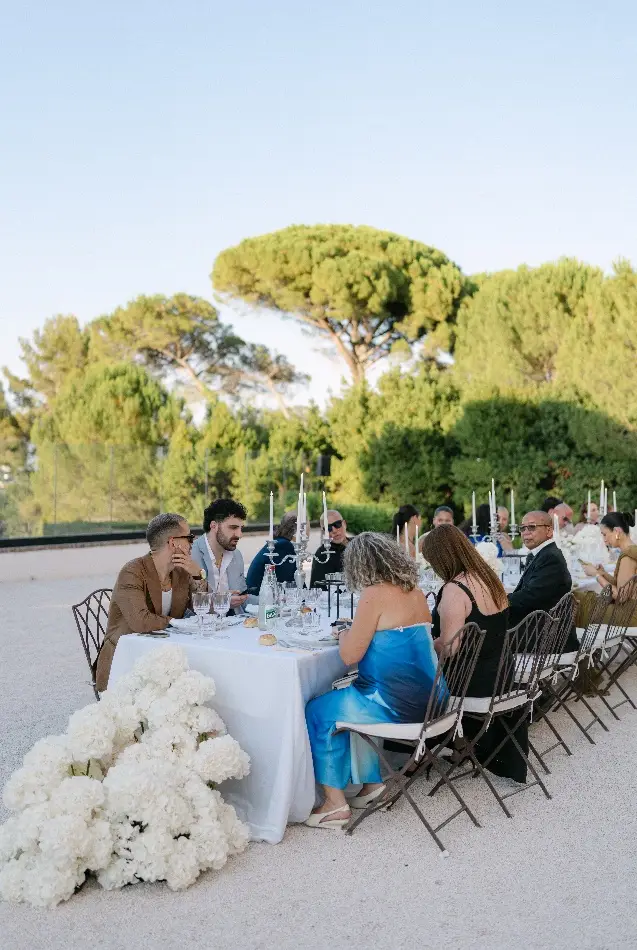
For one couple, that might mean an exceptional band and a packed dance floor. For another, it may be a long dinner overlooking the Mediterranean with extraordinary food and wine. Someone else may care most about fashion, floral design or photography.
Choose three or four elements that will define the experience for you.
Those are the areas where spending more is likely to feel worthwhile.
Everything else can then be considered in relation to those priorities.
Trying to make every category equally important is one of the quickest ways for a wedding budget to expand.
Remember That Guest Count Multiplies Everything
Guest count doesn’t only affect catering.
Additional guests can mean more tables, chairs, linens, stationery, transportation, drinks, florals, service staff and accommodation requirements.
The difference between 80 and 120 guests is therefore much greater than the additional 40 meals.
Before committing to a venue or wedding concept, consider your realistic guest count and how much flexibility you want within it.
A smaller guest list can also create room in the budget for experiences that might otherwise be difficult to justify – from a more elaborate welcome party to upgraded dining or entertainment.
Account for Vendor Travel
For destination weddings, the right vendor isn’t always located in the destination.
You might choose to bring your photographer from New York, your planner from London or a creative team from elsewhere in Europe.
When that happens, travel needs to become part of the budget.
Depending on the vendor, this can include:
- Flights
- Accommodation
- Ground transportation
- Baggage or equipment fees
- Per diems
- Additional travel days
Ask about these costs before signing a contract so you understand the full investment rather than only the vendor’s base fee.
Production Is Often the Hidden Category
Couples naturally think about flowers, tables and candles when imagining wedding design.
What is less visible is everything required to make those elements work.
Production can include sound systems, lighting, power distribution, staging, dance floors, rigging, generators and technical staff.
For outdoor weddings and blank-canvas venues, these elements can become particularly important.
They may not be the details guests photograph, but they are often responsible for the atmosphere guests remember.
Beautiful lighting can completely transform a dinner space. Good sound determines whether speeches can be heard. Appropriate power ensures the band, catering team and production crew can operate simultaneously.
These are rarely the most glamorous budget lines, but they are some of the most important.
Don’t Forget the Smaller Costs
Large invoices are easy to remember.
It is often the collection of smaller expenses that catches couples by surprise.
These might include:
- Vendor meals
- Delivery fees
- Overtime
- Corkage
- Cake cutting
- Permits
- Local taxes
- Gratuities
- Printing
- Shipping
- Transfers
- Additional staffing
- Setup days
- Cleanup
- Weather contingencies
Individually, they may not seem significant. Together, they can change the overall budget considerably.
Build some breathing room into your budget rather than allocating every dollar from the beginning.
Think in Terms of Experience Rather Than Objects
Some of the most memorable wedding decisions aren’t necessarily physical things.
It may be a saxophonist appearing during cocktail hour, beautifully coordinated transport waiting when guests leave their hotel, a late-night food station or an unexpected change of venue between dinner and dancing.
When reviewing your budget, ask what each investment contributes to the experience.
Does it make the celebration more comfortable?
More atmospheric?
More personal?
More fun?
Sometimes removing five small decorative elements can create room for one experience guests will remember for years.
Know Where You Can Simplify
Simplifying doesn’t mean compromising.
It means understanding which details are doing the most work.
If your venue has extraordinary architecture, you may not need to cover every surface with decoration.
If dinner is overlooking the sea, the tablescape can afford to be quieter.
If your band is exceptional, you may not need several different forms of entertainment throughout the evening.
The strongest destination weddings often know when to add—and when to let the setting speak for itself.
Build a Contingency Into Your Wedding Budget
Unexpected costs happen.
Weather changes. Guest numbers move. Transportation requirements shift. A production element becomes necessary that wasn’t apparent during the initial venue tour.
Keeping a contingency available gives you room to respond without having to compromise another part of the celebration.
It also makes the final months of planning considerably less stressful.
A Destination Wedding Budget Should Reflect Your Priorities
There is no universally correct amount to spend on a destination wedding.
What matters is how intentionally that budget is used.
Start with the entire experience, understand the true cost of your venue and destination, decide which elements matter most, and allow enough flexibility for the realities of planning an event away from home.
The goal isn’t simply to spend less or spend more.
It’s to make sure the investment is going toward the parts of the celebration that will matter to you – and your guests – the most.
Photography by Angelina Rechberger